
Los mejores idioms para hablar de hábitos en inglés. Somos “creatures of habit” y es inevitable pero sobre todo cuando empieza un nuevo año, nos proponemos cambiar, abandonar o mejorar algunas de nuestras (malas) costumbres. En este post aprenderemos varios idioms para hablar de hábitos en inglés.
Recuerda que los idioms son expresiones idiomáticas y frases hechas cuyo significado hay que aprender tal cual, porque, aunque en muchas ocasiones hay equivalentes en nuestro idioma materno, no siempre es así.
Y sin más, vamos a ver varios idioms para hablar de hábitos en inglés.
Break the habit – romper un hábito, es decir, dejar de hacer algo.
E.g.
You should really break the habit of spending so much money on clothes.
Deberías romper el hábito de (dejar de) gastar tanto dinero en ropa.
By force of habit – a veces es difícil romper con un hábito porque ya lo hacemos por “inercia”, cuando lo hemos hecho con mucha frecuencia o durante mucho tiempo.
E.g.
He’s retired now, but he gets up early every day by force of habit.
Él ahora está jubilado, pero se levanta temprano cada día por hábito, por la costumbre.
Old habits die hard – cuando tienes un hábito durante mucho tiempo se dice que es muy difícil cambiar eso. De ahí “die hard”, porque lleva mucho tiempo que desaparezcan, que “mueran” esas costumbres que tenemos.
E.g.
I’m trying to eat healthy, but old habits die hard.
Estoy intentando comer saludable, pero las viejas costumbres nunca mueren.
Kick a habit – cuando queremos abandonar de una vez por todas esa mala costumbre.
E.g.
She was a heavy smoker but she kicked the habit two years ago.
Ella era una fumadora empedernida (fumaba mucho) pero lo dejó hace dos años.
Go cold turkey – este es muy divertido, cuando dejas algo en plan “cold turkey” lo haces de repente y sin medias tintas.
E.g.
There are some habits you can only break by going cold turkey.
Hay algunos hábitos que solo puedes dejar si lo haces de repente.
Turn over a new leaf – siempre es un buen momento para empezar una nueva página, o pasar página, es decir, comenzar a hacer algo nuevo, mejor.
E.g.
I’ve had some bad habits in the past, but now I’m turning over a new leaf.
He tenido algunos malos hábitos en el pasado, pero estoy empezando a pasar página.
Start from scratch – empezar desde cero, desde el principio.
E.g.
I used to run every day in the past. But after some years without doing exercise, I’ll have to start from scratch.
Solía correr cada día en el pasado. Pero después de unos años sin hacer ejercicio, tendré que empezar de cero.
Get the ball rolling – empezar, que algo comience a rodar.
E.g. Sometimes the hardest part is to get the ball rolling. Once you start, you have to be perseverant.
A veces lo más difícil es empezar.Una vez que empiezas tienes que ser perseverante, constante.
Éste y otros idioms que puedes usar en el trabajo
Además de estos idioms para hablar de hábitos, también estos otros idioms pueden ayudarte con la motivación para conseguir tus metas.
Have you heart set on something – cuando pones tu corazón en hacer/conseguir algo, cuando pones todo tu empeño.
E.g.
I have my heart set on traveling more often this year, so I started saving money.
Tengo mi corazón en viajar más a menudo este año, así que he empezado a ahorrar dinero.
Set your mind to – esta expresión es muy parecida a la anterior, poner tu mente / tu empeño en conseguir algo.
E.g.
You can do anything you set your mind to.
Puedes hacer cualquier cosa que te propongas.
Otras expresiones idiomáticas con mind
Sky’s is the limit – muy fácil y muy literal, es cielo es el límite, hay que ser ambicioso y proponerse hacer grandes cosas.
E.g.
The sky’s the limit, you can do anything if you work hard.
El cielo es el límite, puedes hacer/conseguir cualquier cosa si trabajas duro.
Reach for the moon – (or reach for the stars) ¿y por qué no soñar con “alcanzar la luna”? esta hace referencia a proponerse metas/objetivos bastante ambiciosos también.
E.g.
His parents taught him to reach for the moon and do great things.
Sus padres le enseñaron a intentar alcanzar la luna y hacer grandes cosas.
Go all out – si “vas con todo”, pones todo tu empeño, esfuerzo y recursos para hacer que algo pase, para conseguir cosas.
E.g.
They went all out to start their own business.
Lo pusieron todo de su parte para empezar su propio negocio.
Blood, sweat and tears – esta también es literal, cuando algo cuesta esfuerzo se dice que cuesta sangre, sudor y lágrimas.
E.g.
His success wasn’t due to luck. It was due to blood, sweat and tears all the way.
Su éxito no fue debido a la suerte. Fue debido a sangre sudor y lágrimas durante todo el camino.
No pain, no gain – porque ya se sabe, para ganar hay que arriesgar. En realidad, literalmente sería algo así como si no sufres, no ganas o si no te esfuerzas, no hay ganancia.
E.g.
I have to exercise every day to get ready for the competition. No pain, no gain.
Tengo que hacer ejercicio todos los días para prepararme para la competición.
Esperamos que estos idioms para hablar de hábitos en inglés y de proponerse hacer cosas, te ayuden con esa dosis extra de motivación que todos necesitamos para no olvidarnos de los nuevos propósitos que nos hacemos cada inicio de año. Sky’s the limit!!


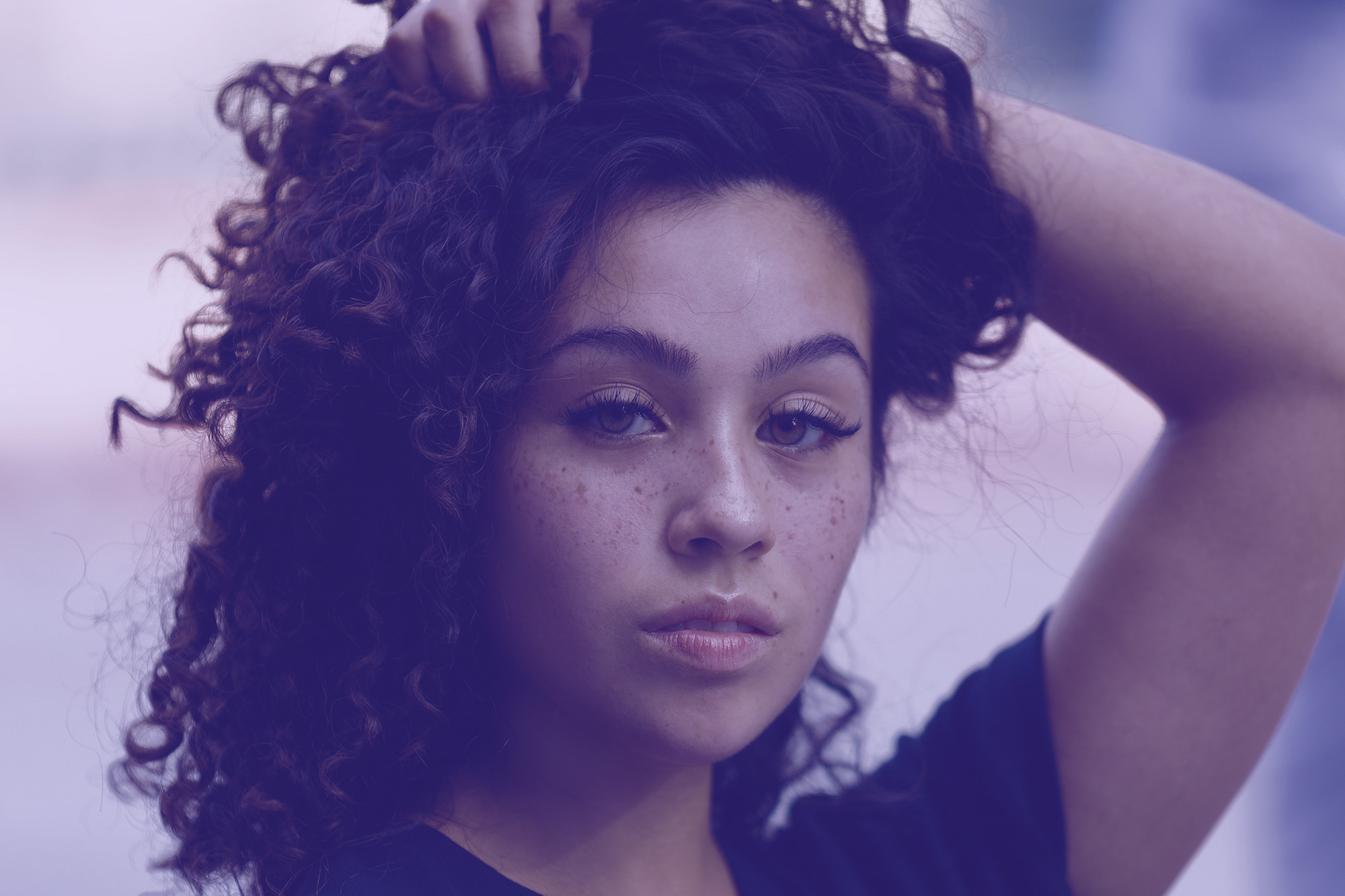
¿Te ha pasado alguna vez que buscabas a alguien y al intentar describir la apariencia física de esa persona en inglés has notado que te faltaban palabras? Pues en este post encontrarás mucho vocabulario para que no te vuelva a pasar y puedas describir el físico de una persona con todo lujo de detalles.
Vamos a lo importante, como lo primero que nos entra por los ojos es (no vamos a mentir a estas alturas) si una persona es guapa, comenzamos por ahí.
Lo de pretty y beautiful lo tenemos controlado, sobre todo para chicas. Pero recuerda que los chicos son handsome. Si una mujer es super guapa podemos decir que es gorgeous o incluso stunning (despampanante). Los adjetivos attractive, good-looking, cute y hot valen para referirnos tanto a hombres como a mujeres (y cute, vale para todo, niños, perritos y otros animalillos, cosas que son monas…). Cuidado que hot o smoking hot son más coloquiales para decir que una persona está “muy buena”.
Y ¿qué pasa si queremos decir todo lo contrario? bueno pues sabemos que ugly es feo/a, pero es muy desconsiderado decirlo así. Mejor podemos usar la frase en negativo he/she is not very attractive/good-looking o también está plain que en este caso sería normal, del montón, sin un atractivo especial. He/she is quite plain.
Perfect! ya tenemos lo esencial, ahora vamos a ver con más detalle cómo describir la apariencia física en inglés y lo haremos por partes
BODY
aquí hablamos de la complexión, si una persona es alta, baja, flaca, rechoncha, musculosa, etc.
Slim – delgado/a (positivo)
Thin – delgado/a (negativo)
Skinny – delgado/a, flaco/a (muy negativo)
Tall – alto/a
Short – bajo/a
Medium height – de altura media
Medium build – de complexión media
Fat – gordo/a (negativo)
Overweight – con sobrepeso (más positivo que fat)
Chubby, plump – rechoncho/a, regordete (positivo)
Curvy – con curvas (es positivo, se usa solo para referirse a mujeres,con una figura llena y femenina)
Muscular – musculoso/a
Fit – en buena forma
Strong – fuerte
Well-built – fortachón/a, corpulento/a
Stocky – bajo y corpulento (normalmente se usa para referirse a hombres)
Un truquillo: para decir en inglés que alguien es tirando a bajo o más bien alta puedes usar el sufijo -ish, por ejemplo He’s tallish/shortish and muscular. Or She’s tallish/shortish and curvy. Vale también para colores, si no lo ves muy claro, algo puede ser greenish or bluish (tirando a verde, azul o más bien verdoso, azulado)
HAIR
vamos a ver las variadas maneras de describir la apariencia física cuando hablamos del pelo, que éste nos da mucho juego, que si por colores, por tipo de cabello, por peinado…
Blond(e) / fair hair – pelo rubio
Brunette hair – pelo castaño (mujeres)
Brown hair – pelo castaño (hombres)
Black hair – pelo negro
Red hair – pelo pelirrojo
Ginger hair – pelo pelirrojo
Grey hair – pelo gris, canoso
Dyed hair – pelo teñido
Highlights – mechas
Straight hair – pelo liso
Wavy hair – pelo ondulado
Curly hair – pelo rizado
Frizzy hair – pelo encrespado
Pony tail – coleta, cola de caballo
Bun – moño
Plait – trenza
Fringe – flequillo
Short hair – pelo corto
Long hair – pelo largo
Medium length hair – media melena
Shoulder length hair – que llega a los hombros
Bald – calvo
Cuando estamos hablando de cabello, primero decimos el tipo y luego el color. Como en estos ejemplos
She has medium length, brunette hair. – Ella tiene media melena y el pelo castaño.
He has short, curly, red hair. – Él tiene el pelo corto, rizado y rojo.
EYES / FACE
Green eyes – ojos verdes
Blue eyes – ojos azules
Brown eyes – ojos marrones
Dark eyes – ojos oscuros/negros
Grey eyes – ojos grises
Para los ojos negros, se dice dark eyes. Si decimos “black eye“, significa un ojo que ha recibido un golpe, lo que llamaríamos en español un ojo morado.
Freckles – pecas
Beard – barba
Moustache – bigote
Goatee – perilla
Sideburns – patillas
Hooked nose – nariz aguileña
Turned up nose – nariz respingona
Pointed nose – nariz puntiaguda
SKIN
la complexión o las características de la piel, que puede ser más oscura o más pálida.
pale skin – piel pálida o clara
dark skin – piel oscura
pale/fair complexion – piel clara
tanned complexion – piel bronceada
OTHER FEATURES
nosotros te dejamos las palabras, pero a lo mejor no es buena idea mencionar algunas de estas características 😉
Chin – barbilla
Double-chin – papada
Wrinkles – arrugas
Crow’s feet – patas de gallo
Spots – manchas o granitos
Mole – lunar
Birthmark – antojo, marca o mancha de nacimiento
Scar – cicatriz
Un par de cosas más antes de acabar
-Recuerda que para describir la apariencia física en inglés normalmente usamos sobre todo los verbos to be y to have, mira estos ejemplos
She has brown eyes and short brown hair. – Ella tiene los ojos marrones y el pelo corto y castaño.
He is blonde and has long hair. – Él es rubio y tiene el pelo largo.
Their father is bald and has a beer belly. – Su padre es calvo y tiene barriga “cervecera”.
I don’t have a mustache. – Yo no tengo bigote.
My sister has green eyes and curly hair. – Mi hermana tiene los ojos verdes y el pelo rizado.
-No podemos olvidarnos de cómo preguntar para que alguien nos describa la apariencia de otra persona
What does he/she look like? – ¿Cómo es?
Porque si preguntamos What is he/she like? se refiere más a la personalidad, si quieres saber también cómo hablar del carácter de una persona, puedes leer este post
Sabemos que son muchas palabras como para aprenderlas de una sola vez, por eso te recomendamos que anotes las que más te gusten o más útiles te resulten y las vayas repasando durante varios días. Incluso puedes practicar describiendo a una persona cercana a ti, o a un personaje famoso, te atreves?