
Para que no te quedes sin palabras cuando hables de esos fantásticos lugares en los que has estado, hoy te traemos los mejores adjetivos para describir lugares en inglés.
Adjectives to describe places
amazing – increíble, asombroso. Otras palabras similares: fantastic, wonderful.
E.g. Berlin is an amazing city, you must definitely go there.
beautiful – precioso. Otras palabras similares: lovely, gorgeous.
E.g. It was a quiet place with beautiful views to the mountains.
boring – aburrido. Otras palabras similares: dull, uninteresting.
E.g. The town was quite boring, there was not much to do.
breathtaking – impresionante (literalmente que te deja sin respiración). Otras palabras similares: impressive, stunning.
E.g. The views from the top of the cliff were breathtaking.
bustling – bullicioso, con mucha actividad. Otras palabras similares: lively, fast-paced, hectic.
E.g. New York is a busy, bustling city, there are always things to do and places to go.
captivating – cautivador, fascinante. Otras palabras similares: fascinating, stunning.
E.g. Egypt is a captivating place to visit, with an incredibly rich culture and history.
charming – encantador. Otras palabras similares: quaint, unique.
E.g. They visited a charming little village in the north of the region.
contemporary – contemporáneo. Otras palabras similares: modern, up to date.
E.g. It’s a city with a very contemporary, modern feel.
cosmopolitan – cosmopolita. Otras palabras similares: multicultural.
E.g. London is a cosmopolitan city with a cultural diversity.
crowded – abarrotado. Otras palabras similares: busy, congested.
E.g. Rome can get really crowded in the summer months.
exciting – emocionante. Otras palabras similares: thrilling, amazing.
E.g. The package holiday included exciting adventure activities for families with children.
historic – histórico. Otras palabras similares: ancient, old city.
E.g. Have you visited the historic city of Athens?
huge – enorme. Otras palabras similares: large, vast.
E.g. Beijing is a huge city with both, historic and modern areas.
isolated – aislado. Otras palabras similares: remote, secluded.
E.g. We went to isolated beaches on the island you could only access by boat.
noisy – ruidoso, bullicioso. Otras palabras similares: busy, lively.
E.g. Nightlife was concentrated in a busy and noisy area in the city centre.
peaceful – apacible. Otras palabras similares: quiet, relaxing.
E.g. We stayed at a peaceful beach cottage.
picturesque – pintoresco. Otras palabras similares: charming, quaint.
E.g. The old part of the town is especially picturesque.
polluted – contaminado. Otras palabras similares: dirty, contaminated.
E.g. Some of the lakes in the area were quite polluted.
popular – popular, famoso. Otras palabras similares: famous, well-known.
E.g. In the south of Spain there are many seaside towns that are popular with European tourists.
seedy – sórdido. Otras palabras similares: dodgy, dangerous.
E.g. In every big city there are certain seedy areas you may want to avoid.
slow-paced – lento, pausado. Otras palabras similares: peaceful, relaxing.
E.g. Life in the countryside is usually slow-paced.
touristy – turístico. Otras palabras similares: crowded.
E.g. We don’t like places that are too touristy and crowded.
traditional – tradicional. Otras palabras similares: typical.
E.g. You will find some traditional fishing villages.
unique – único, singular. Otras palabras similares: charming, quaint.
E.g. She visited parts of the island that had a unique landscape.
unspoilt – impecable, conservado. Otras palabras similares: untouched, unaltered, virgin.
E.g. On our trip we could enjoy the wonders of unspoilt areas of the Amazon river.
También puedes hablar de las estupendas personas que has conocido en esos lugares usando estos adjetivos para describir personas en inglés.
Ahora que hemos visto los mejores adjetivos para describir lugares en inglés, vamos a ver también algunos de los sitios de los que podrás hablar en tu descripción
Places you can talk about
In the city / in the town
the city / the town centre – el centro de la ciudad
main street / high street – la calle principal
a city / town shopping centre – el centro comercial de la ciudad
open-air market / street markets – mercados al aire libre, en la calle
flea markets – mercado de pulgas, mercadillo
pedestrianised area / traffic-free zone – zona peatonal
old city / old quarter / historic centre – casco histórico
gallery / museum – galería, museo
church / cathedral – iglesia, catedral
monastery / monks – monasterio, monjes
mosque – mezquita
pagoda – pagoda
temple – templo
financial district – distrito financiero
skyscrapers – rascacielos
amusement park / theme park – parque de atracciones, parque temático,
In nature
countryside – en el campo
mountain – montaña
walking / hiking routes – rutas de senderismo
wildlife – fauna (animales y plantas)
national park – parque natural/nacional, reserva natural
lake – lago
forest – bosque
river – río
waterfall – cascada de agua
valley – valle
plain- meseta
desert- desierto
sand dune – duna de arena
cliff – acantilado
island – isla
beach – playa
sandy beach – playa de arena
pebble / rocky beach – playa de guijarros
bay – bahía
lighthouse – faro
port / harbour – puerto
promenade – paseo (marítimo)
seafront – paseo marítimo
Después de ver los mejores adjetivos para describir lugares en inglés y algunos de los sitios sobre los que hablar, ahora no puedes decir que no tienes palabras para describir esos fantásticos lugares en los que has estado durante las vacaciones.
Los adjetivos son una parte fundamental cuando queremos ampliar vocabulario porque pueden hacer que tu discurso sea más elaborado. No te pierdas esta lista con 100 adjetivos comunes.

Hoy te lo ponemos fácil con los phrasal verbs, para motivarte y que te sientas más cómodo al ponerlos en práctica vamos a ver phrasal verbs sobre viajar, que es un tema más ameno. Algunos seguro ya los conoces así que no hay excusas.
Check in – to register (at a hotel, at the airport).
Registrarse.
E.g.
What time do we have to check in at the airport?
¿A qué hora tenemos que registrarnos en el aeropuerto?
Check out – to leave (a hotel) after paying.
Dejar el hotel después de pagar y devolver la llave de la habitación.
E.g.
They checked out at 10a.m.
Dejaron el hotel a las 10.
Los dos siguientes no son solo phrasal verbs sobre viajar, también puedes usarlos en otros contextos y son muy útiles, cuando tienes que recoger o dejar a alguien (e.g. a los niños en el cole) Toma nota!
Pick someone up – to collect someone usually by car and take them somewhere.
Recoger, pasar a buscar.
E.g.
My sister will pick me up at the train station.
Mi hermana me recogerá en la estación de tren.
Drop someone off – to take someone to a place and leave them there.
Dejar.
E.g.
I can drop you off at the airport this afternoon.
Puedo dejarte en el aeropuerto esta tarde.
Get in – to arrive (usually a plane, a train).
Llegar
E.g.
Their train got in after five o’clock.
Su tren llegó después de las cinco.
Get on / off – to enter or to leave a vehicle (bus, train, plane).
Subir, bajar (de un bus, tren, avión)
E.g.
I think we got on the wrong bus.
Creo que nos hemos subido en el bus equivocado.
You will need to get off at Lime Street stop.
Tendrás que bajar en la parada de Lime Street.
Hop on / off – to enter or to leave a vehicle (more informal)
Subir, bajar (de un vehículo).
A hop on-hop off bus – se usa a menudo en autobuses turísticos donde puedes subir y bajar varias veces con el mismo billete para hacer un recorrido turístico.
E.g.
She was hopping on and off the bus to visit the city most important places.
Subía y bajaba del autobús para visitar los lugares más importantes de la ciudad.
With one ticket you can hop on and off as you like.
Con un billete puedes subir y bajar cuando quieras.
De todos estos phrasal verbs sobre viajar éste es nuestro favorito, get away, porque ¿a quién no le gusta hacer una escapada de vez en cuando?
Get away – to go somewhere often for a break or a holiday.
Hacer una escapada.
E.g.
They are planning to get away for a few days in September.
Están planeando hacer una escapada de unos días en septiembre.
Hold up – delay (when travelling).
Retrasarse, demorarse.
E.g.
He got held up in traffic and missed the bus.
Se retrasó por el tráfico y perdió el autobús.
Hurry up – to rush, to do something more quickly.
Darse prisa.
E.g.
If you don’t hurry up, we are going to be late.
Si no te das prisa vamos a llegar tarde.
Look forward to – to be excited about something that is going to happen.
Esperar algo con impaciencia.
E.g.
I’m looking forward to the holidays.
Ver más sobre éste y otro verbos con look.
See off – to go to the airport, train station etc to say goodbye to someone.
Despedir, decir adiós a alguien.
E.g.
We’ll see you off at the airport.
Te iremos a despedir al aeropuerto.
Set off – to start a journey.
Comenzar un viaje, salir de viaje.
E.g.
He sets off for India tomorrow morning.
Sale de viaje a India mañana por la mañana.
Stop over – to stay somewhere for a short time during a long journey.
Hacer parada.
E.g.
I wanted to stop over in Bali on the way to Australia.
Quería hacer parada en Bali, de camino a Australia.
Take off – when a plane leaves the ground.
Despegar (un avión).
E.g.
After a 5 hours delay finally the plane took off.
Después de un retraso de 5 horas, finalmente el avión despegó.
Éste y otros phrasal verbs con take
Turn back – to return.
Volver, regresar.
E.g.
Has she turned back from holiday yet?
¿Ha vuelto ya de las vacaciones?
¿Cuántos de estos phrasal verbs sobre viajar conocías ya?
Ya sabes, si estás pensando en hacer una escapada, to get away puedes aprovechar también para practicar con estos phrasal verbs sobre viajar

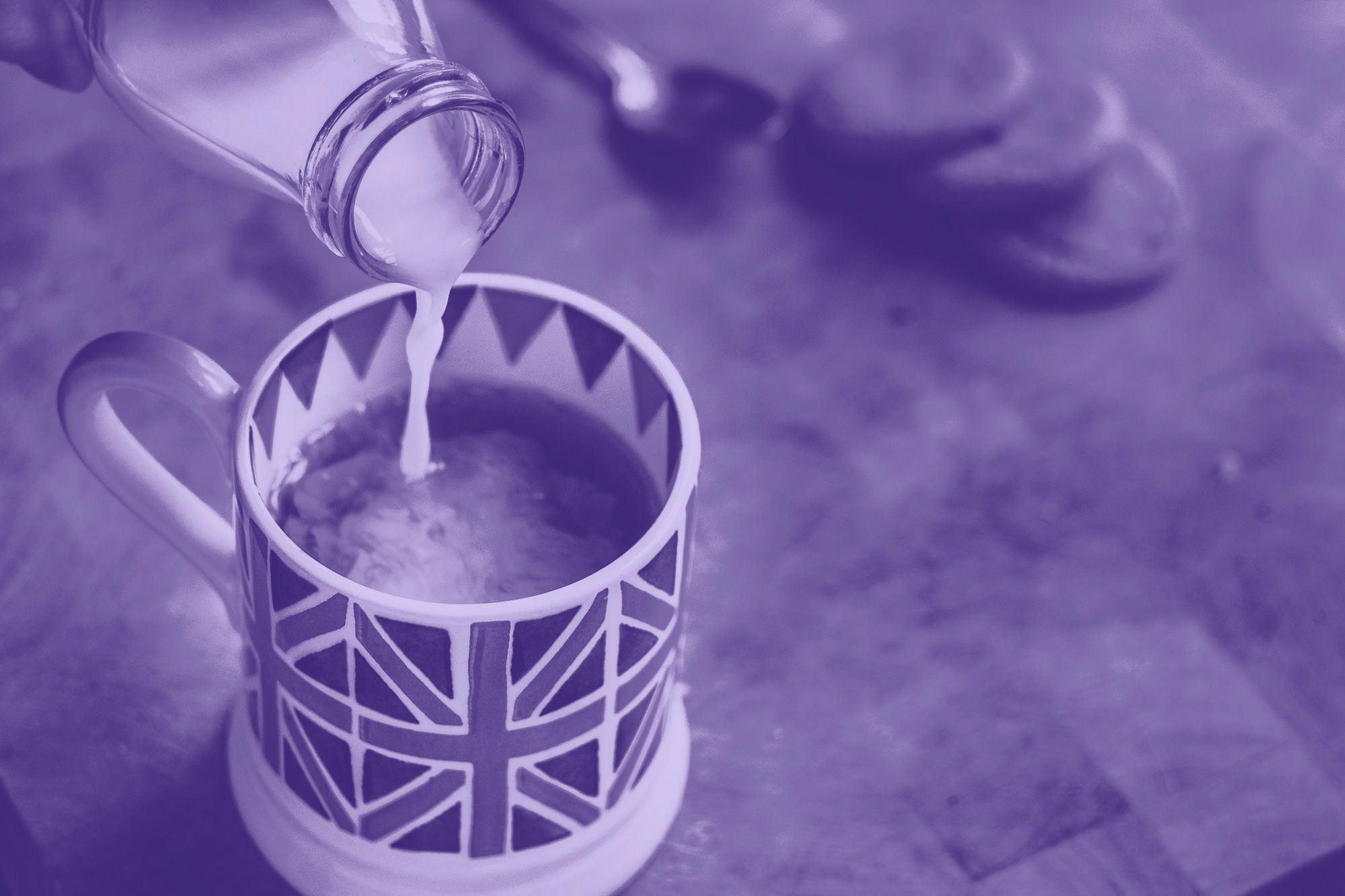
Hey buddies! hoy os traemos nada más y nada menos que una lista que incluye 125 idioms y proverbios en inglés y español que os podeis descargar al final del post, con los que podrás expresarte como un auténtico nativo.
Un «idiom» o «idiomatic expression» es una frase idiomática utilizada en un lenguaje más informal y coloquial. En general, el significado de la frase en sí es diferente al significado normal de cada palabra por separado. En realidad son frases hechas, proverbios, refranes en español o lo que es lo mismo idioms, sayings, proverbs in English.
A continuación os dejamos algunos de nuestros favoritos:
In for a penny, in for a pound – De perdidos al río (que no «from lost to the river» como a veces decimos medio en broma, medio en serio)
A leopard never changes its spots – Genio y figura hasta la sepultura o también el que nace lechón muere cochino
All bark and no bite – Perro ladrador, poco mordedor
All mouth and no trousers – Mucho ruido y pocas nueces, sobre alguien que habla mucho pero hace poco
A pig with lipstick, is still a pig Aunque la mona se vista de seda, mona se queda
Be between a rock and a hard place – Estar entre la espada y la pared
Brain is better than brawn – Más vale maña que fuerza
By the skin of one’s (my/your/our) teeth – Por los pelos
The shoemaker’s son always goes barefoot – En casa de herrero, cuchara de palo
Like father, like son -De tal palo, tal astilla
Out of sight out of mind – Ojos que no ven, corazón que no siente
The squeaky wheel gets the grease – El que no llora, no mama
To call a spade, a spade – Al pan, pan y al vino, vino o lo que es lo mismo, llamar a las cosas por su nombre
You can’t have your cake and eat it too – No se puede tener todo en la vida, no puedes estar en misa y repicando
It’s all Greek to me – Me suena a chino, cuando no entiendes nada
It’s a small world – El mundo es un pañuelo
It’s the pot calling the kettle black – Le dijo la sartén al cazo
It’s water under the bridge – Es agua pasada
A continuación te dejamos el enlace para que puedas descargar un pdf con los 125 idioms y proverbios en inglés y español con los que aprender inglés será más divertido. Además te hará quedar como un auténtico nativo delante de tus compañeros. Enjoy it!
Pulsa sobre el enlace para descargar el pdf
>> Descárgate el pdf ahora <<
PS: el concurso «Propón un Idiom» ha finalizado